Oral Surgery & Preventive Care
Wisdom Tooth Removal in La Habra, CA
Prevent pain, infection, and crowding with professional wisdom tooth extraction.
Wisdom teeth, also known as third molars, are the last teeth to develop in the back of the mouth. In many cases, they do not have enough space to grow properly, which can lead to pain, infection, or damage to surrounding teeth. At Smooth Dental & Orthodontics in La Habra, CA, our team provides wisdom tooth removal to help protect your oral health and prevent future dental complications.
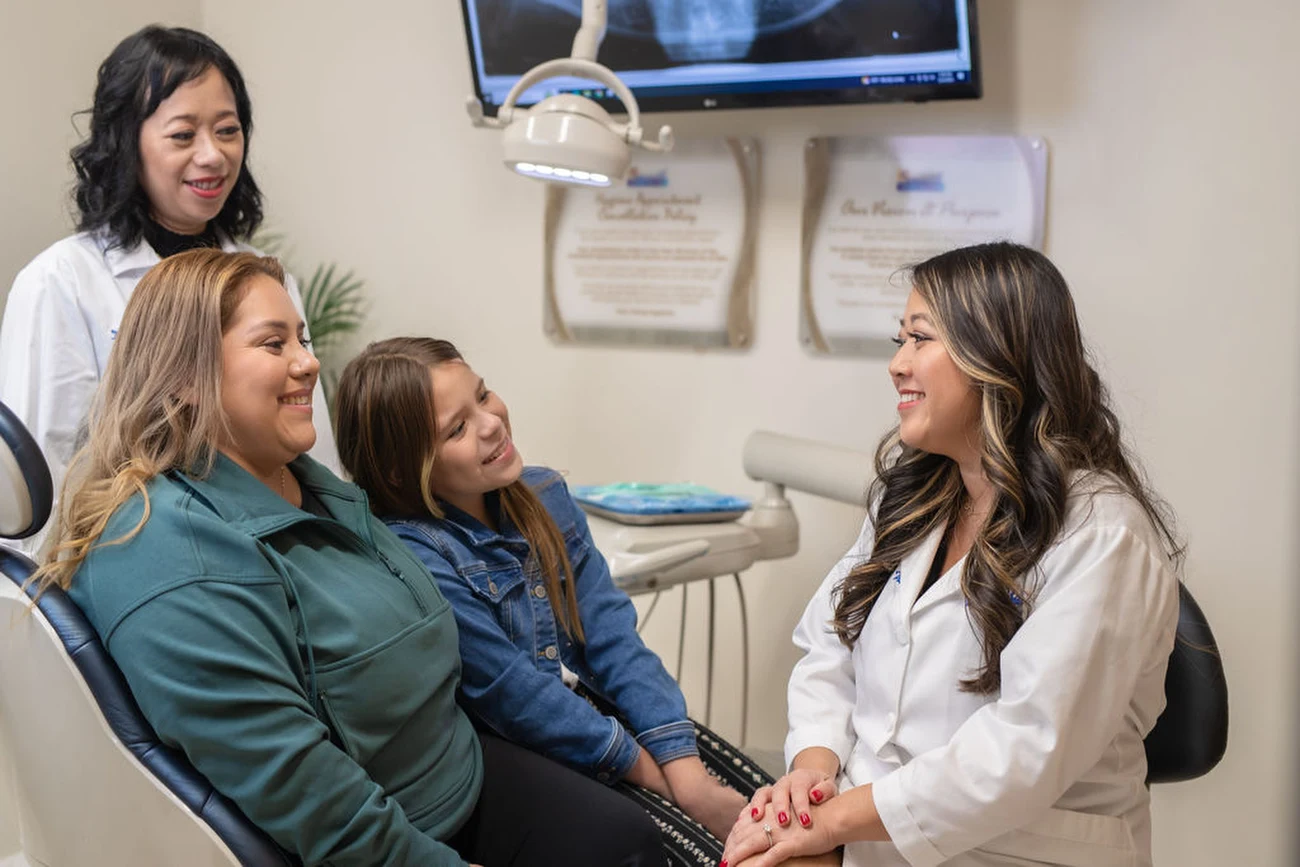
Wisdom Tooth Removal
Where Modern Dentistry Meets Comfortable Care
Wisdom Tooth Removal at Smooth Dental
Wisdom teeth typically appear between the late teenage years and early twenties. While some people experience no issues, many patients develop problems when these teeth become impacted, misaligned, or overcrowded.
Removing problematic wisdom teeth can help prevent infection, reduce discomfort, and protect the health of nearby teeth. Our dental team carefully evaluates each case to determine whether extraction is the most appropriate solution for maintaining long-term oral health.
Common Reasons Wisdom Teeth Are Removed
- Prevent dental crowding Removing wisdom teeth helps protect the alignment of surrounding teeth.
- Impacted wisdom teeth Teeth trapped beneath the gums can cause pain, swelling, and infection.
- Persistent pain or discomfort Removal can relieve pressure and irritation caused by partially erupted wisdom teeth.
Other Problems Caused by Wisdom Teeth
When wisdom teeth do not erupt properly, they can create areas where bacteria and food particles accumulate. This may increase the risk of oral health problems that affect both the gums and nearby teeth.
- Gum infections Partially erupted wisdom teeth can trap bacteria and lead to inflammation.
- Damage to neighboring teeth Pressure from impacted teeth may affect nearby molars.
- Difficulty cleaning the area Wisdom teeth are often difficult to reach with brushing and flossing.
The Wisdom Tooth Removal Process
Wisdom tooth extraction begins with a thorough evaluation of your teeth and jaw using dental imaging and a clinical exam. Based on the position and condition of the wisdom teeth, the dentist determines the most appropriate removal technique.
- Comprehensive dental examination and imaging
- Local anesthesia or sedation for comfort
- Careful removal of the wisdom tooth
- Post-procedure care instructions to support healing
What to Expect After Wisdom Tooth Removal
After extraction, mild swelling and tenderness are common and typically improve within several days. Following post-operative care instructions, maintaining gentle oral hygiene, and avoiding hard foods during recovery can help promote proper healing.
Schedule a Consultation
If you are experiencing wisdom tooth pain, swelling, or crowding, early evaluation can help prevent further complications. Our dental team can assess your wisdom teeth and determine whether removal is the best step for protecting your oral health.
The short answer
Wisdom tooth removal is the extraction of the third molars at the back of the mouth when they are impacted, misaligned or overcrowded. After an exam with dental imaging, the dentist chooses the most appropriate technique and removes the tooth under local anesthesia or sedation, then gives care instructions to support healing. Removing problem wisdom teeth helps prevent pain, gum infections, crowding and damage to the neighboring molars.
Wisdom Tooth Removal FAQ
- What are wisdom teeth?
- Wisdom teeth are the third set of molars, which usually appear in the late teens or early twenties at the back of the mouth. They are the last teeth to develop. In many cases there is not enough space for them to grow properly. When that happens they can cause pain, infection, or damage to surrounding teeth.
- Why do wisdom teeth need to be removed?
- Wisdom teeth may need to be removed if they cause crowding, become impacted, lead to infections, or make the back of the mouth hard to clean. Teeth trapped beneath the gums can cause pain and swelling. Partially erupted wisdom teeth can trap bacteria and food particles. Removing them helps protect the alignment and health of nearby teeth.
- What does it mean when a wisdom tooth is impacted?
- An impacted wisdom tooth is trapped beneath the gum tissue or bone and cannot fully erupt into the mouth. Because it cannot come in normally, it can cause pain, swelling, or infection. Pressure from an impacted tooth may also affect the nearby molars. Dental imaging shows the position of the tooth so the right removal technique can be chosen.
- Is wisdom tooth removal painful?
- Wisdom tooth removal is performed with local anesthesia or sedation to keep you comfortable during the extraction. Mild soreness afterward is common. Mild swelling and tenderness typically improve within several days. Following your post-procedure care instructions helps healing go smoothly.
- How long does recovery take?
- Most patients begin feeling better within a few days, although complete healing of the area may take a couple of weeks. Mild swelling and tenderness are common at first. Following your post-operative instructions and keeping up gentle oral hygiene support healing. Avoiding hard foods during recovery also helps the area heal properly.
- Can wisdom teeth cause infections?
- Yes, partially erupted wisdom teeth can trap bacteria and food particles, which may lead to gum infections and inflammation. These teeth are often hard to reach with brushing and flossing. Bacteria can then build up in the area. Removing a problem wisdom tooth helps prevent these infections.
- Do all wisdom teeth need to be removed?
- No, not all wisdom teeth need to be removed, because some grow in normally and cause no problems. Many patients do develop problems when these teeth become impacted, misaligned, or overcrowded. Your dentist evaluates each case with an exam and dental imaging. That evaluation determines whether extraction is the most appropriate choice.
- How do I care for my mouth after wisdom tooth removal?
- After wisdom tooth removal, follow your dentist’s instructions, keep up gentle oral hygiene, and avoid hard foods while the area heals. These steps help support a smooth recovery. Mild swelling and tenderness are common at first and typically improve within several days. Contact the office if you have questions during healing.