
Restorative & Functional Dentistry
Dental Crowns & Bridges in La Habra, CA
Restore strength, function, and confidence with custom dental restorations.
Damaged or missing teeth can make everyday activities like chewing, speaking, and smiling more difficult. Dental crowns and bridges provide reliable solutions that restore both the appearance and function of your smile. At Smooth Dental & Orthodontics in La Habra, CA, our team uses modern restorative techniques to create natural-looking restorations designed for comfort, durability, and long-term oral health.

Dental Crowns & Bridges
Where Modern Dentistry Meets Comfortable Care
Dental Crowns & Bridges at Smooth Dental
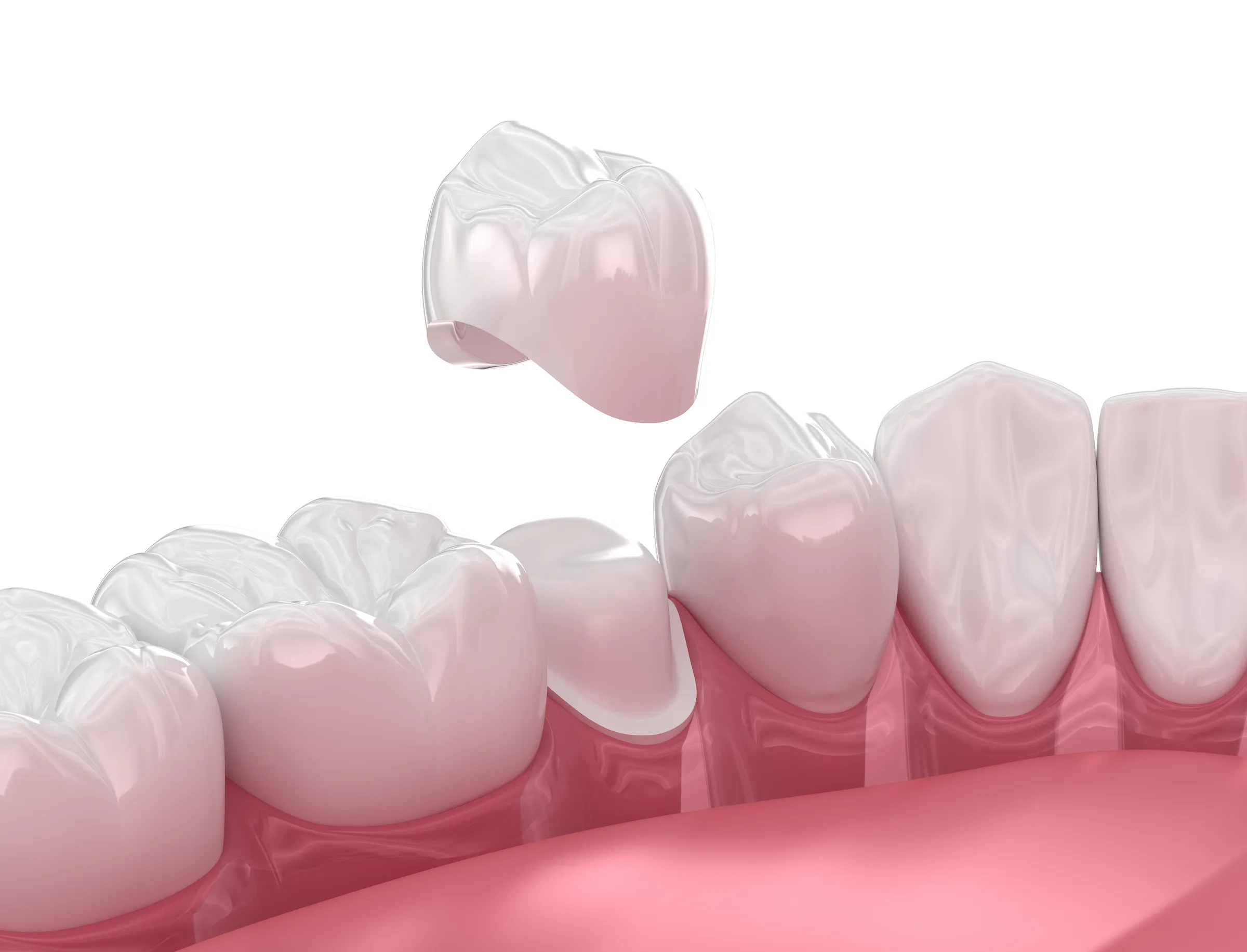
Dental crowns and bridges are time-tested restorative treatments used to repair damaged teeth or replace missing ones. A crown strengthens and protects a weakened tooth, while a bridge fills the gap created by tooth loss using neighboring teeth or implants for support. Together, these restorations help restore your bite, maintain proper tooth alignment, and bring balance back to your smile.
How Crowns & Bridges Improve Your Oral Health
Beyond cosmetic improvement, these restorations play an important role in protecting the stability of your bite. When a tooth is missing or weakened, surrounding teeth can shift, wear unevenly, or take on excess pressure. Restoring that space helps maintain proper alignment and protects long-term dental health.
- Restore damaged teeth Crowns cover and strengthen teeth that are cracked, worn, or weakened by decay.
- Replace missing teeth Bridges close gaps by anchoring an artificial tooth between neighboring teeth or restorations.
- Improve chewing and speech Rebuilding the structure of your smile helps restore natural bite function.
Why Replacing Missing Teeth Matters
Tooth loss affects more than just the appearance of your smile. Gaps can lead to changes in your bite, increased pressure on surrounding teeth, and difficulty chewing certain foods. Over time, this can impact nutrition, oral hygiene, and overall dental stability.
- Protect surrounding teeth Prevent nearby teeth from shifting into open spaces and altering your bite.
- Support better chewing A complete smile helps break down food properly for comfortable eating and digestion.
- Maintain facial balance Replacing teeth helps preserve the structure and alignment of your smile.
How Dental Crowns & Bridges Are Placed
The placement process typically involves two appointments. During the first visit, the tooth or surrounding teeth are prepared to support the crown or bridge. We then take precise impressions that guide the creation of your custom restoration. A dental laboratory fabricates the crown or bridge to match your natural tooth color and shape.
At the second appointment, the restoration is carefully checked for fit, bite alignment, and appearance. Once everything looks and feels right, the crown or bridge is securely bonded into place, restoring both the function and aesthetics of your smile.
How Long Do Crowns & Bridges Last?
With proper care, dental crowns and bridges can last many years. Maintaining good oral hygiene, attending routine dental visits, and avoiding habits like chewing ice or hard objects can help extend the lifespan of your restoration. Regular checkups also allow us to monitor the health of the supporting teeth and ensure your restoration continues to function properly.
Schedule a Consultation
If you have a damaged tooth or are missing one or more teeth, dental crowns and bridges may help restore your comfort and confidence. Our team can evaluate your needs, explain your treatment options, and help you choose the restoration that best supports your long-term oral health.
The short answer
Dental crowns and bridges are restorations that repair damaged teeth or replace missing ones. A crown covers and strengthens a single cracked, worn or decayed tooth, while a bridge fills a gap by anchoring an artificial tooth between neighboring teeth or implants, custom made to match your natural tooth color and shape. Together they restore your bite, help keep surrounding teeth from shifting, and make chewing and speaking comfortable again.
Dental Crowns & Bridges FAQ
- What is the difference between a crown and a bridge?
- A dental crown covers and strengthens a single damaged tooth, while a dental bridge replaces one or more missing teeth. A bridge anchors an artificial tooth between crowns placed on the neighboring teeth or on implants. Crowns are used when a tooth is still present but weakened. Bridges are used to close a gap left by tooth loss.
- When do I need a dental crown?
- A crown may be recommended when a tooth is cracked, severely decayed, worn down, or weakened after a large filling or root canal treatment. The crown covers the whole visible tooth to reinforce its structure. This helps prevent further damage to the weakened tooth. It also restores the tooth’s shape so it can handle normal chewing.
- When is a dental bridge recommended?
- A bridge is often recommended when one or more teeth are missing and the surrounding teeth are healthy enough to support the restoration. The neighboring teeth or restorations act as anchors for the artificial tooth. Closing the gap keeps nearby teeth from shifting into the open space and altering your bite. It also relieves the extra pressure that a gap places on surrounding teeth.
- How long do dental crowns and bridges last?
- With proper care and regular dental visits, crowns and bridges can last 10 to 15 years or longer. Good oral hygiene helps protect both the restoration and the supporting teeth. Avoiding habits like chewing ice or hard objects can help extend their lifespan. Regular checkups let your dentist monitor the supporting teeth and make sure the restoration keeps working properly.
- Will my crown or bridge look natural?
- Yes, modern crowns and bridges are designed to match the color, shape, and size of your natural teeth so they blend in with your smile. A dental laboratory makes each restoration to match your natural tooth color and shape. At the fitting appointment the restoration is checked for fit, bite alignment, and appearance. It is bonded in place only once everything looks and feels right.
- Is getting a crown or bridge painful?
- Getting a crown or bridge is typically comfortable because local anesthesia is used while the tooth is prepared. Most patients experience minimal discomfort during and after treatment. The first visit prepares the tooth or teeth and takes precise impressions. The second visit is mainly for checking the fit and bonding the restoration in place.
- Can crowns and bridges improve chewing?
- Yes, by restoring the shape and strength of your teeth and filling missing spaces, crowns and bridges help you chew more comfortably and efficiently. Gaps and weakened teeth can make some foods difficult to chew. A complete smile helps break down food properly for comfortable eating and digestion. Rebuilding the structure of your smile also helps restore natural speech.
- How do I care for a dental crown or bridge?
- Care for a crown or bridge by brushing and flossing daily, especially around the gumline, and attending regular dental visits. Clean, healthy gums and supporting teeth keep the restoration secure. Avoid chewing ice or hard objects that could damage it. Proper care helps keep both the restoration and the supporting teeth healthy for many years.