

Sleep & Airway Health
Sleep Apnea Treatment in La Habra, CA
Improve breathing during sleep and wake up feeling more rested.
Sleep apnea is a common but serious condition that causes breathing to repeatedly stop and start during sleep. These interruptions can reduce sleep quality and contribute to long-term health concerns. At Smooth Dental & Orthodontics in La Habra, CA, we help patients explore treatment options designed to support better breathing, deeper sleep, and improved overall health.
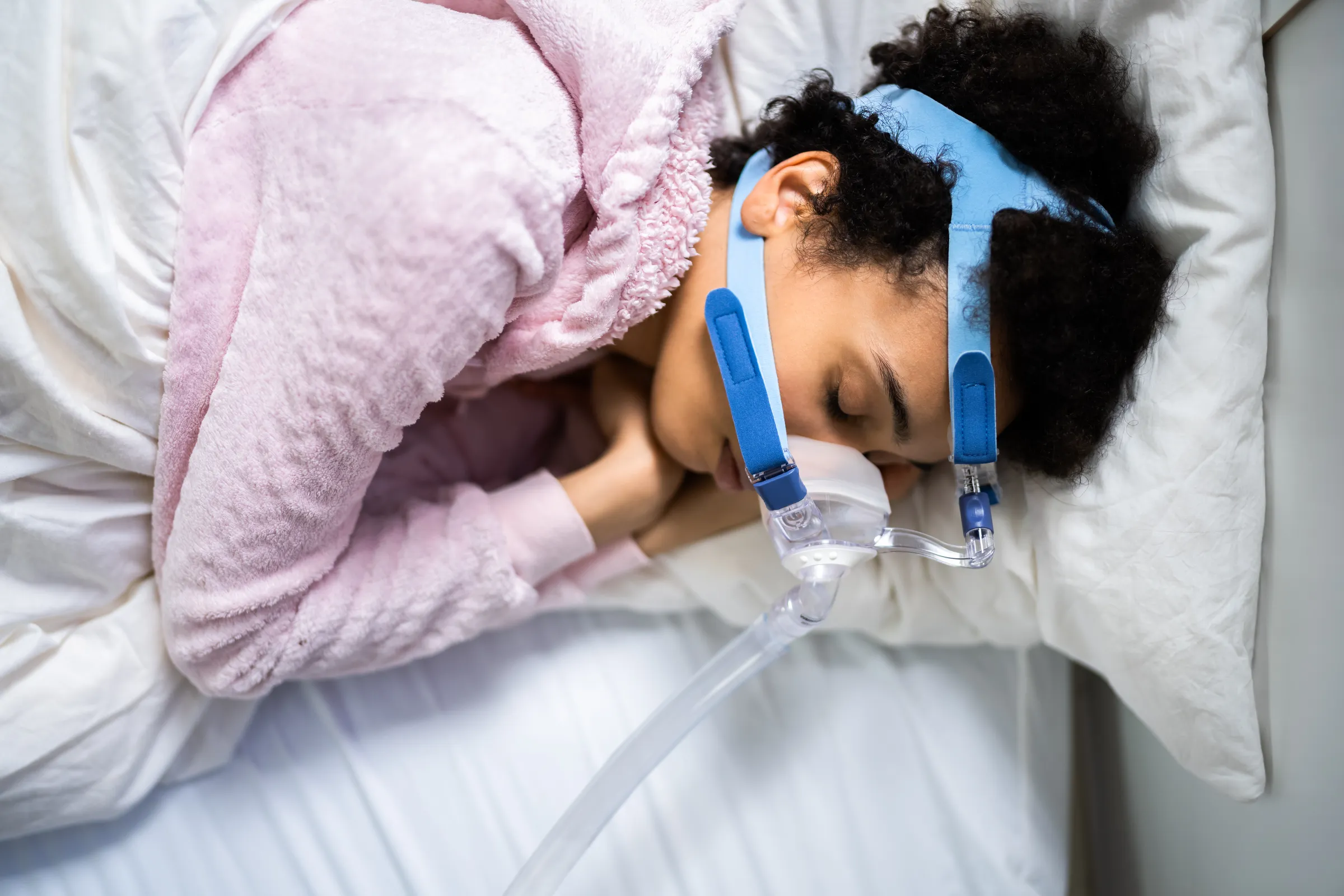
Sleep Apnea Treatment
Where Modern Dentistry Meets Comfortable Care
Sleep Apnea Treatment at Smooth Dental
Sleep apnea occurs when the airway becomes partially or completely blocked during sleep, reducing oxygen flow and disrupting rest. Many people are unaware they have the condition, but symptoms such as loud snoring, daytime fatigue, and frequent waking can indicate a sleep-related breathing disorder.
Our team works with patients to identify symptoms and explore treatment options that support healthy breathing throughout the night. Depending on your needs, treatment may involve lifestyle adjustments, custom oral appliances, or collaboration with sleep specialists for additional therapies.
Benefits of Sleep Apnea Treatment
- Improved sleep quality Keeping the airway open during sleep helps reduce interruptions and promotes deeper rest.
- Better daytime alertness Restful sleep can reduce fatigue, improving concentration and productivity.
- Reduced health risks Managing sleep apnea may help lower risks associated with high blood pressure, heart disease, and other conditions.
Signs You May Need Sleep Apnea Treatment
Sleep apnea often develops gradually and may go undiagnosed for years. Recognizing the symptoms can help you seek treatment sooner and improve both sleep quality and overall well-being.
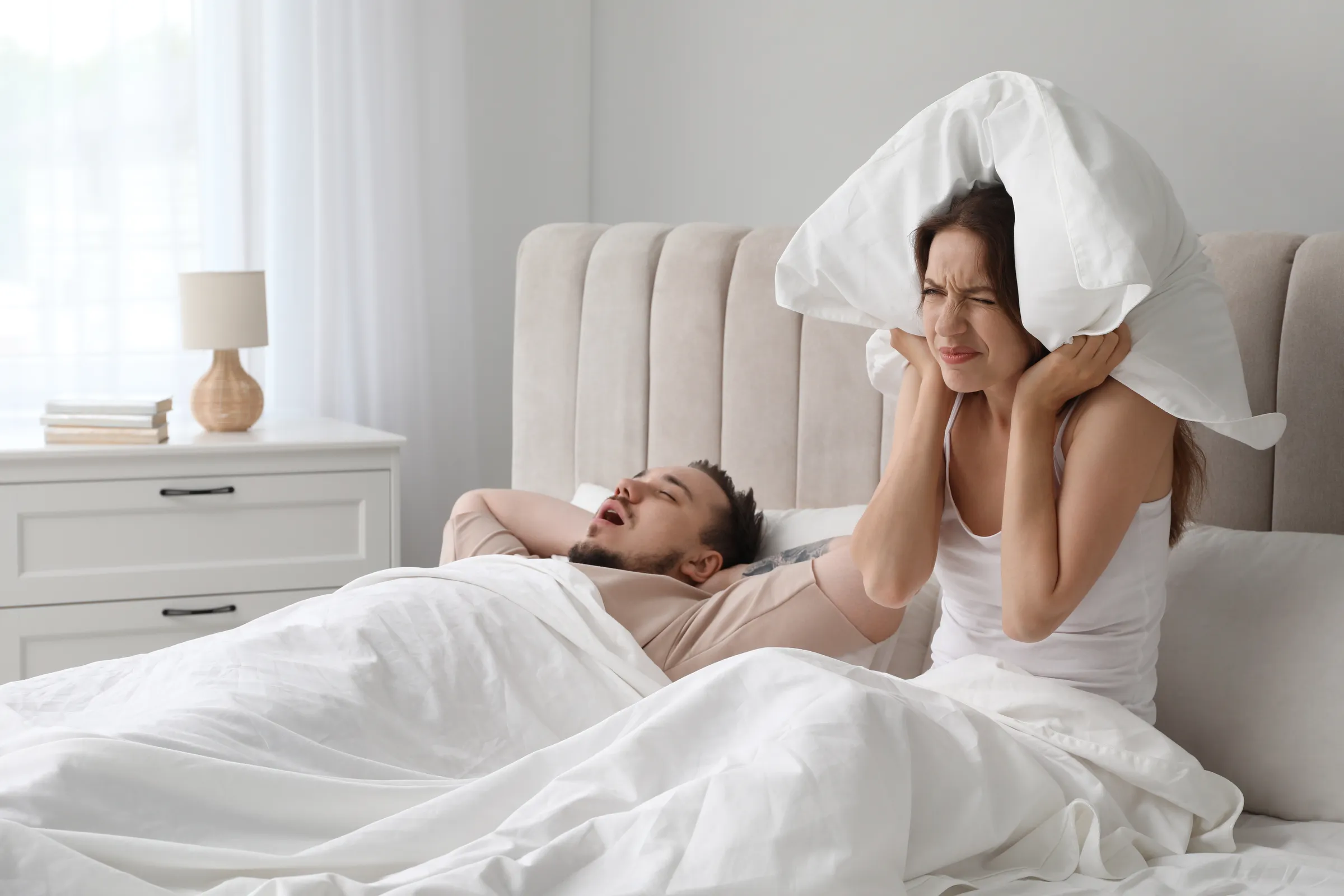
- Loud or frequent snoring Persistent snoring can be a sign of airway obstruction during sleep.
- Daytime fatigue Feeling tired despite a full night’s sleep may indicate disrupted breathing.
- Interrupted breathing during sleep Pauses in breathing observed by a partner or family member can signal sleep apnea.
Sleep Apnea Treatment Options
Treatment for sleep apnea varies depending on the severity of the condition and individual patient needs. After evaluating symptoms and medical history, a sleep study may be recommended to confirm the diagnosis and determine the best treatment plan.
- Custom oral appliance therapy designed to keep the airway open
- CPAP therapy to support consistent airflow during sleep
- Lifestyle adjustments such as weight management or sleep position changes
- Referral for additional evaluation when advanced treatment is needed
Improving Long-Term Sleep Health
Managing sleep apnea often involves a combination of treatment and healthy habits. Maintaining a consistent sleep schedule, avoiding alcohol before bed, and supporting overall health through diet and exercise can help improve sleep quality and treatment outcomes.
Schedule a Consultation
If you experience persistent snoring, daytime fatigue, or interrupted sleep, sleep apnea treatment may help improve your health and quality of life. Our dental team can evaluate your symptoms and guide you toward effective treatment options that support better sleep and long-term wellness.
Sleep Apnea Treatment FAQ
- What is sleep apnea?
- Sleep apnea is a condition where breathing repeatedly stops and starts during sleep due to airway obstruction or breathing control issues.
- What are common symptoms of sleep apnea?
- Symptoms may include loud snoring, frequent nighttime awakenings, morning headaches, dry mouth, and excessive daytime fatigue.
- How is sleep apnea diagnosed?
- A sleep study is typically used to diagnose sleep apnea. This test monitors breathing patterns, oxygen levels, and sleep stages during the night.
- What treatments are available for sleep apnea?
- Common treatments include CPAP therapy, custom oral appliances designed to keep the airway open, lifestyle changes, and in some cases surgical options.
- Can a dentist help treat sleep apnea?
- Yes. Dentists trained in sleep medicine may provide oral appliance therapy that helps reposition the jaw during sleep to keep the airway open.
- Does treating sleep apnea improve overall health?
- Yes. Effective treatment can improve sleep quality, reduce daytime fatigue, and lower risks associated with untreated sleep apnea.
- Is snoring always a sign of sleep apnea?
- Not always, but loud or persistent snoring may indicate airway obstruction and should be evaluated by a healthcare professional.
- How do I know if I need sleep apnea treatment?
- If you experience chronic snoring, fatigue, or breathing interruptions during sleep, a consultation can help determine whether further evaluation or treatment is recommended.