

Orthodontic Options
Invisalign® vs Braces
Both Invisalign® and traditional braces are designed to create a straighter, healthier smile, but the experience can feel very different depending on your lifestyle, goals, and orthodontic needs. Understanding how each option works can help you choose the treatment that fits your comfort level, appearance preferences, and day-to-day routine.
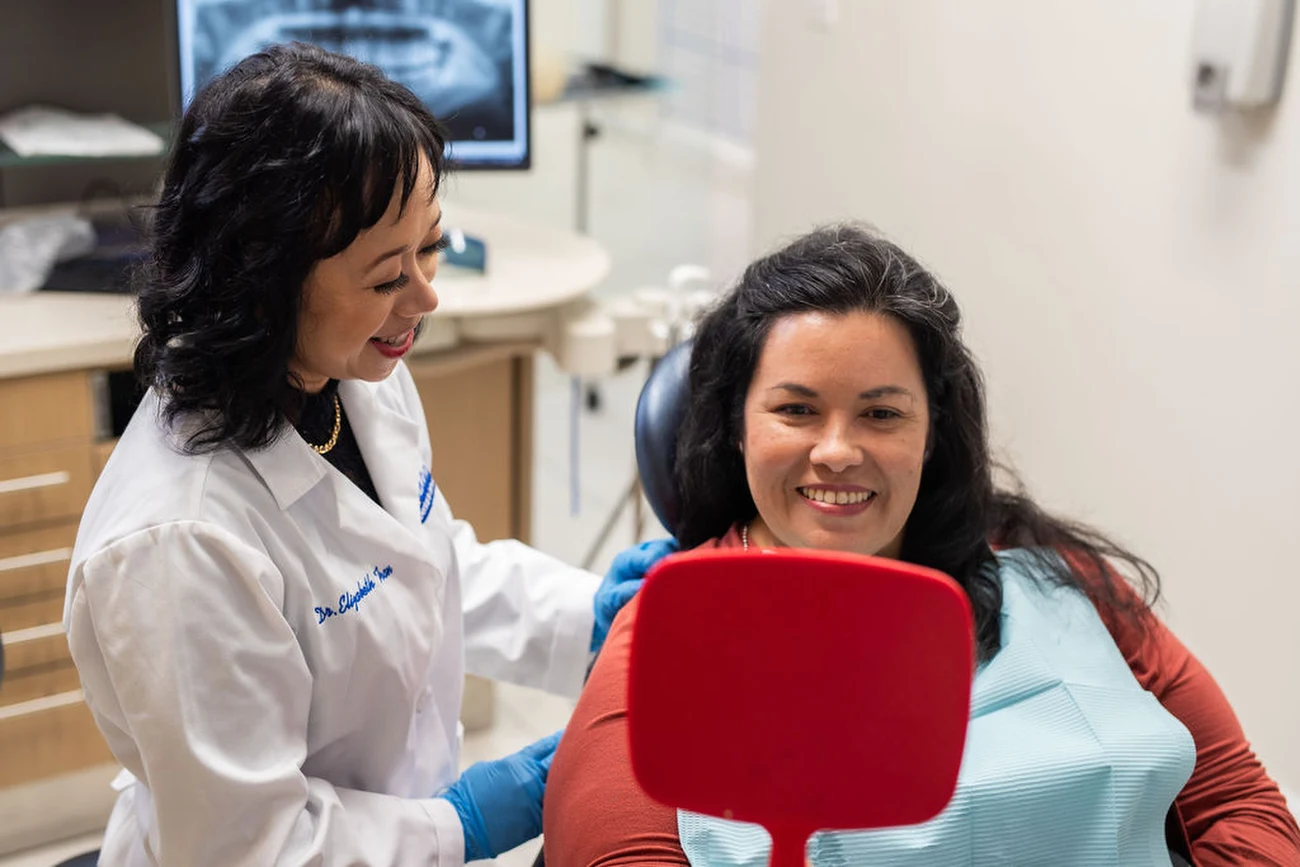
Invisalign® vs Braces
Where Modern Dentistry Meets Comfortable Care
Comparing Invisalign® And Traditional Braces
Clear aligners and braces both move teeth into better positions over time, but they do so in different ways. Invisalign® uses a series of custom removable aligners, while braces use brackets and wires that stay in place throughout treatment. For many patients, the right choice comes down to appearance, convenience, maintenance, and the complexity of the case.
Choosing The Right Fit
Invisalign® is often appealing to teens and adults who want orthodontic treatment to feel more discreet and flexible. Braces can still be an excellent choice for patients who prefer a fixed appliance or need a more traditional approach to tooth movement. A personalized evaluation is the best way to determine which solution makes the most sense for your smile.

What To Consider Before Starting Treatment
Orthodontic treatment is not only about aesthetics. Straighter teeth can also make daily cleaning easier, support better bite function, and contribute to long-term oral health. When comparing Invisalign® and braces, it helps to think beyond appearance and consider how each option fits into your routine, comfort preferences, and treatment goals.
Lifestyle And Daily Habits
Some patients love the freedom of being able to remove aligners for meals and brushing, while others prefer braces because they do not have to remember to wear them. The best option is often the one you can stay consistent with from start to finish.
Treatment Goals And Complexity
Every smile is different. Mild to moderate alignment concerns may respond very well to clear aligners, while some patients may benefit from the control and predictability of braces. Your exam, bite evaluation, and treatment plan all play an important role in choosing the most effective path forward.
Invisalign® Vs Braces: Frequently Asked Questions
- Is Invisalign® faster than braces?
- Treatment times vary from patient to patient. Some cases can be completed efficiently with Invisalign®, while others may be better managed with braces depending on how much tooth movement is needed.
- Are braces better for complicated cases?
- In some situations, braces may offer more control for complex tooth movement. However, the right treatment depends on your specific bite, alignment concerns, and goals.
- Can I eat whatever I want with Invisalign®?
- Since aligners are removed before meals, there are usually fewer food restrictions. You should still clean your teeth before putting your aligners back in.
- Do braces hurt more than Invisalign®?
- Both options can create temporary pressure as teeth begin to move. Braces may also cause irritation from brackets and wires, while aligners tend to feel smoother against the cheeks and lips.
- Which option is less noticeable?
- Invisalign® is generally the more discreet option because the aligners are clear and designed to blend in with your smile.
- How do I know which one is right for me?
- The best way to choose is through a personalized consultation. Your dentist can evaluate your bite, discuss your preferences, and recommend the treatment that fits your needs best.